Working time convergence in the European Union is at a stand-still
Eurofound’s new ‘Developments in collectively agreed working time 2014’ report covers several issues related to the length of working time in the European Union and Norway in 2014.
Eurofound’s new ‘Developments in collectively agreed working time 2014’ report covers several issues related to the length of working time in the European Union and Norway in 2014.
This year marks 40 years for the European Foundation for the Improvement of Living and Working Conditions (Eurofound), the Dublin-based EU Agency charged with providing knowledge in the area of social and work-related policies.
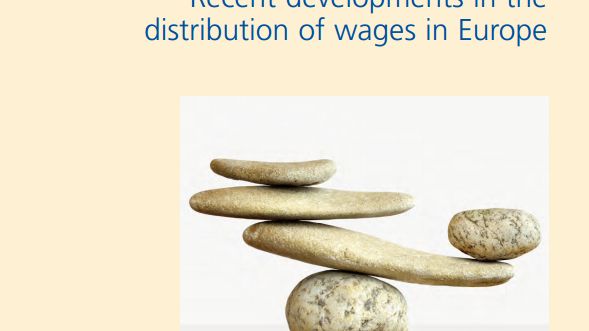
Wage inequality has been increasing overall in Europe since the onset of the Great Recession, and is mainly due to rising wage inequalities within countries, according to a new report from Eurofound, the Dublin-based EU Agency.
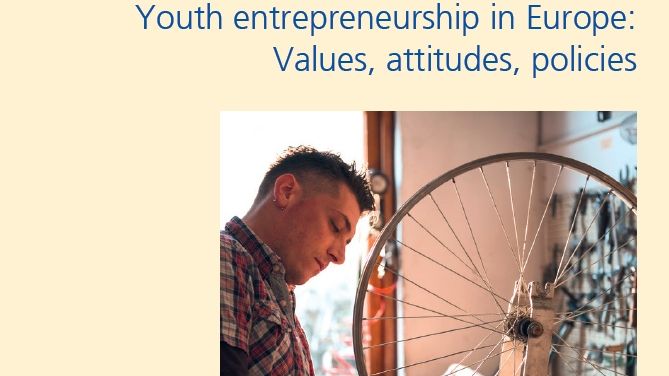
Only a fraction of young Europeans interested in becoming entrepreneurs actually go on to do so, according to Eurofound’s new report ‘Youth entrepreneurship in Europe: Values, attitudes, policies’.
On 21 and 22 April 2015 Ministers for Employment and Social Affairs in Riga again discussed informally ways towards a true and responsible social dialogue.
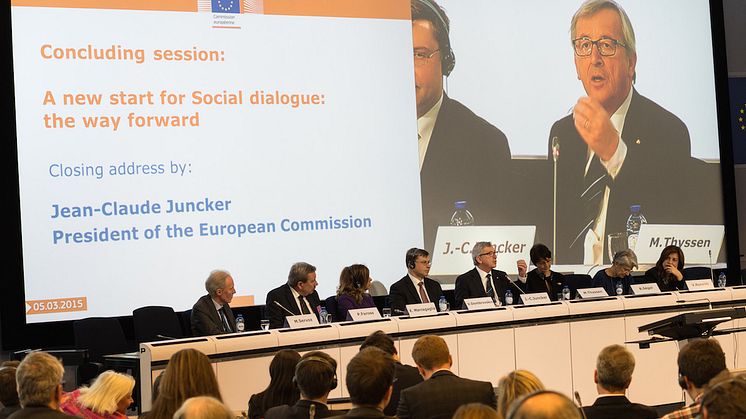
Eurofound launches 3rd European Company Survey overview report at high-level EU Presidency conference ‘Workplace practices: creating win-win arrangements for companies and employees’

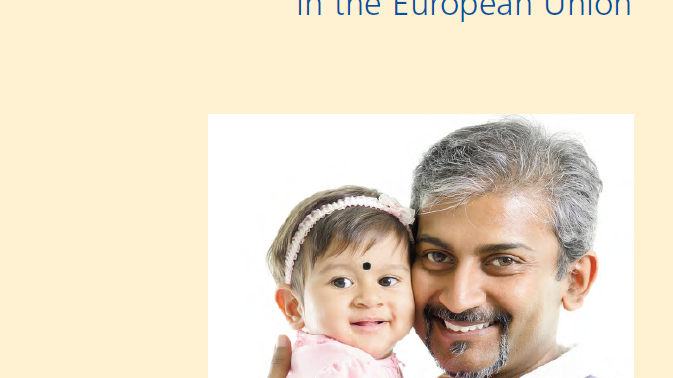
The take-up rate of parental and paternity leave among fathers has been increasing in most Member States but it still remains relatively low. Covering all the EU Member States and Norway, this report looks at the most recent trends in terms of take-up of parental and paternity leave, existing provisions and factors influencing take-up rates.
Eurofound launches the fieldwork for the 6th European Working Conditions Survey (6th EWCS). With over 43,000 interviews with workers in 35 countries, the survey offers a comparative snapshot of the state of working conditions and its changing trends in Europe. The first findings of the 6th EWCS will be presented at the end of 2015.
Eurofound’s 2015 work programme outlines a dual challenge for the European Union and the Member States: finding a way out of the crisis while pursuing the mid-term ambition of achieving progress towards a competitive and fair Europe. Although the financial situation in Europe seems to have stabilised, the recovery is still very modest and needs to be consolidated.
A new report out today gives a broad overview on psychosocial risks at European workplaces and provides examples on the way forward at political as well as company level. The report is presented today to national labour inspectors and practitioners from several southern European countries in Ljubljana, Slovenia, and to EU-level policymakers in Brussels, Belgium, on Thursday 16 October 2014.
Eurofound’s fifth annual yearbook, Living and working in Europe, based on the Agency’s research from 2013, describes developments in the EU in the wake of the crisis, focusing on major topic areas including changes in labour markets and employment, efforts to tackle youth unemployment, innovation in workplaces and public trust in institutions.

The average collectively agreed weekly working time in the European Union stood at 38.1 hours in 2013, according to Eurofound’s latest working time update. The combined total of agreed annual leave and public holidays in the EU varied from 40 days in Germany and France to 29 days in Belgium - a difference of more than two working weeks. The Working Time Developments in Europe 2013 report is out.
In cooperation with the Greek Presidency of the Council of the European Union, Eurofound is organising a high-level conference Social Dialogue as a driver in shaping and improving employment and working conditions in the EU in Athens on Monday 23 June 2014. Keynote speakers include Nobel Price winner Sir Christopher Pissarides and Ioannis Vroutsis, Minister of Labour, Social Security and Welfare.
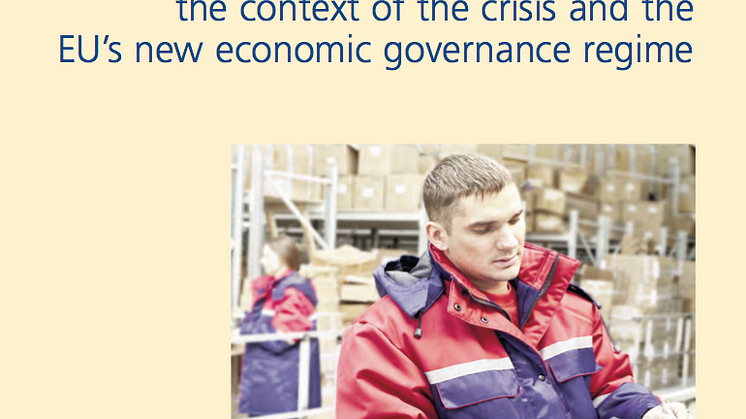
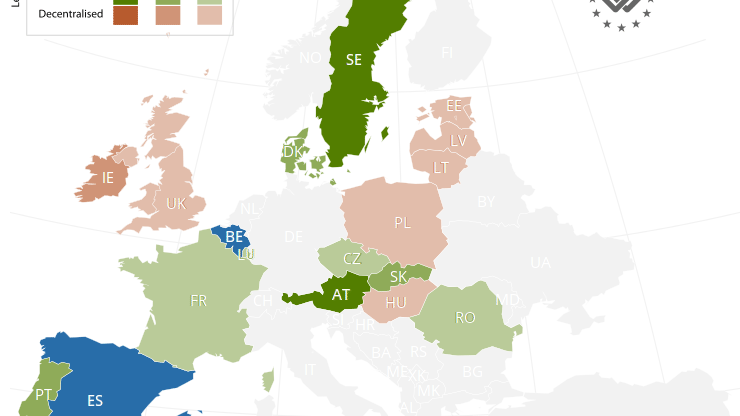
The crisis has triggered considerable changes in wage-bargaining regimes in a number of countries, further extending the existing tendency towards decentralisation in others. Eurofound launches today a report on 'Changes to wage-setting mechanisms in the context of the crisis and the EU’s new economic governance regime' at a lunch time debate with European Social Partners in Brussels, Belgium.
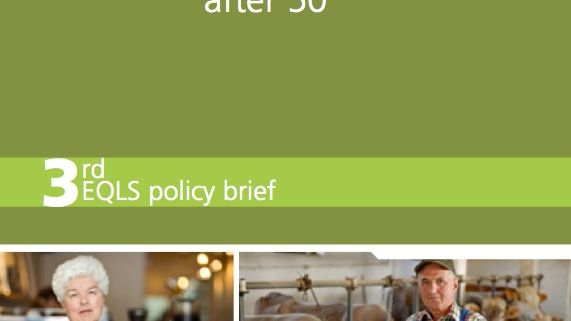
Part-time work facilitates a better work–life balance – particularly, it seems, for people aged 50+. Among people aged 50+, both in and out of employment, there is a preference for more part-time options. Today we launch our new Foundation Findings - 3EQLS Policy Brief - on Work preferences after 50.
Nominal collectively agreed pay increases remained limited in the majority of EU Member States in 2013. However, because of lower inflation rates, employees in a number of European countries saw the purchasing power of their wages increase, reflecting a change from the post-crisis trend that had been observed since 2011. Eurofound’s annual update on pay is out.
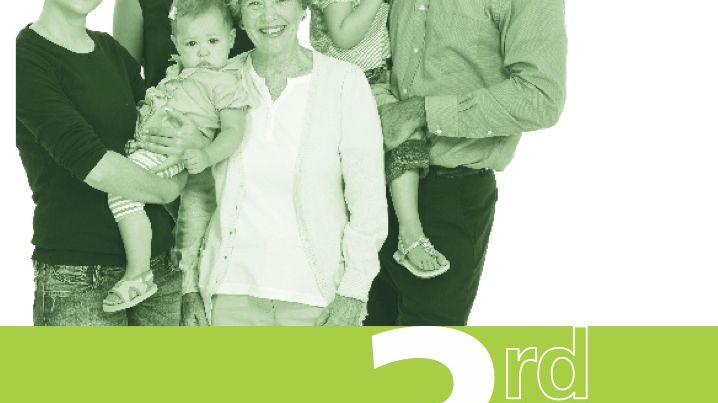
Eurofound publishes a report which looks at families in the economic crisis, and outlines relevant kinds of policies and services that can best protect families from the risks of poverty and social exclusion, in such areas as social protection benefits, housing, childcare and healthcare. The findings are presented at a Greek EU Presidency conference in Athens, Greece, today 29 April.
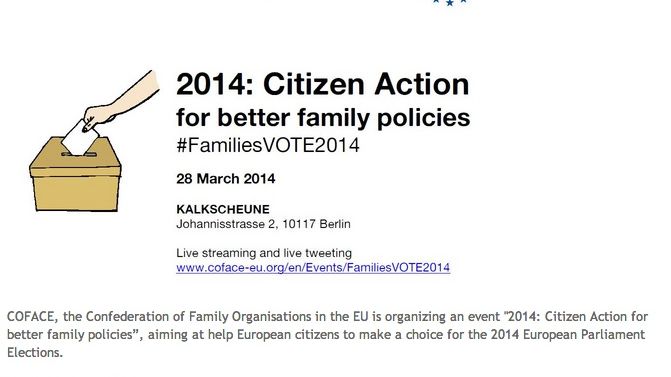
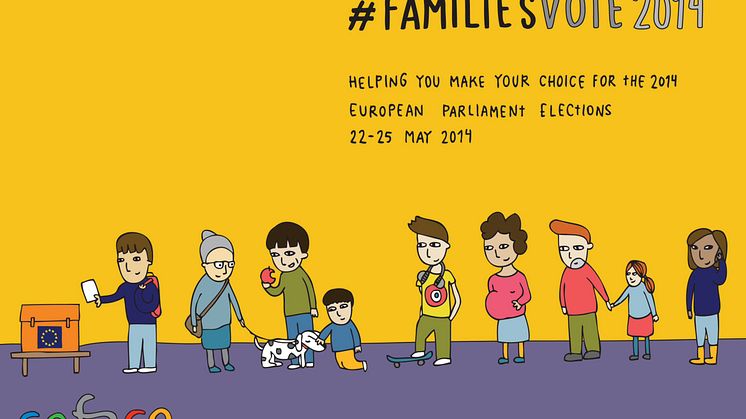
What can the European Union do for families in terms of improved well-being, work-life balance and care? The countdown is ON for the #FamiliesVOTE2014 debate 13:00 - 15:00 CET on 28 March, aimed at helping families make the choice for the 2014 European Parliament elections #EP2014..
The number of young people living at home with their parents across Europe has increased from 44% to 48% between 2007 and 2011, according to new research by Eurofound. The ‘Social situation of young people in Europe’, presented to policymakers in Dublin today, offer comparative insight across EU Member States of the social situation of youth in Europe and evolving trends.
The economic crisis has hit EU countries hard, and the unemployment rate of women and young people have risen to unprecedented levels. This puts a lot of pressure on families, and the EU as a whole. What can be done to ensure young people have either a job, or an internship or a place in education or training? Join the debate on what the EU can and will do for families’ wellbeing on 28 March.