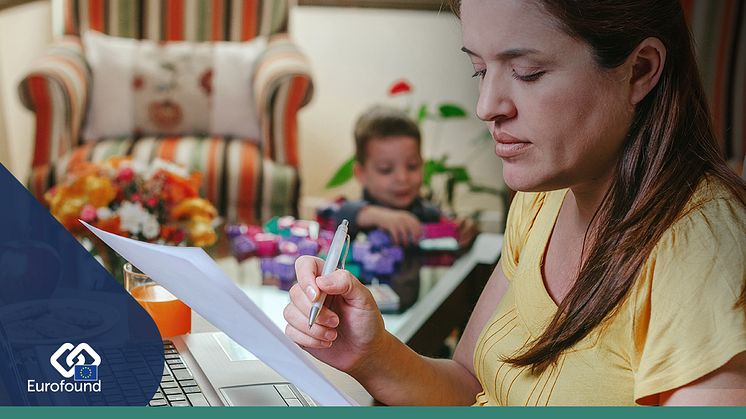
Good news for gender equality as we exit the COVID-19 crisis?
The pandemic has had differential impacts on women. Raised consciousness about them must be applied to advance gender equality in recovery measures.
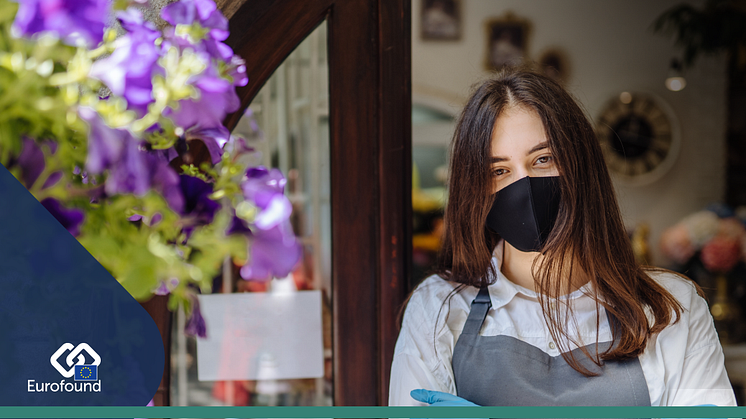
The pandemic has had differential impacts on women. Raised consciousness about them must be applied to advance gender equality in recovery measures.
Eurofound’s new policy brief on ‘Education, healthcare and housing - How access changed for children and families in 2020’ focuses on the aspects of accessibility for children and families for which Eurofound has data and highlights differences in accessibility before and during the COVID-19 pandemic.
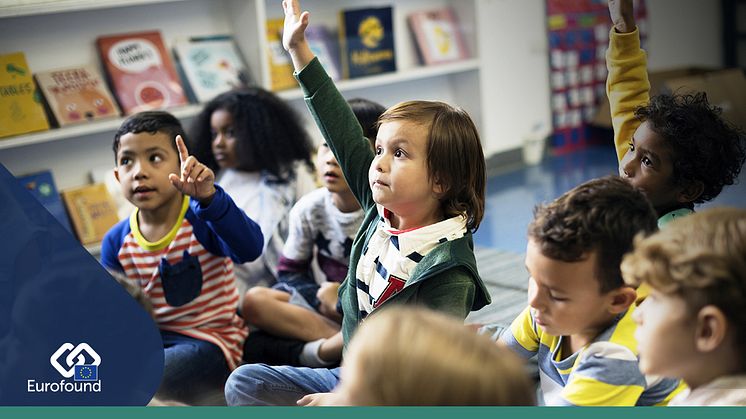
This year’s theme to mark International Women’s Day on 8 March is Choose to Challenge (or #ChooseToChallenge, if you prefer). The idea is to highlight that ‘from challenge comes change’ and that ‘we can all choose to challenge and call out gender bias and inequality’.
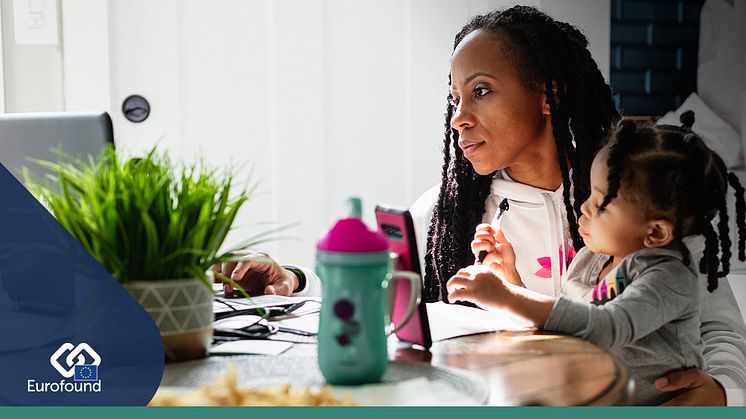
Europe saw two decades of improvement in working conditions in a multitude of areas prior to COVID-19. However, progress in a number of areas, such as gender pay gaps, gender segregation in labour markets, psychosocial risks, and work intensity, were fragile and advancements over 20 years now risk being diluted in less than 20 months.
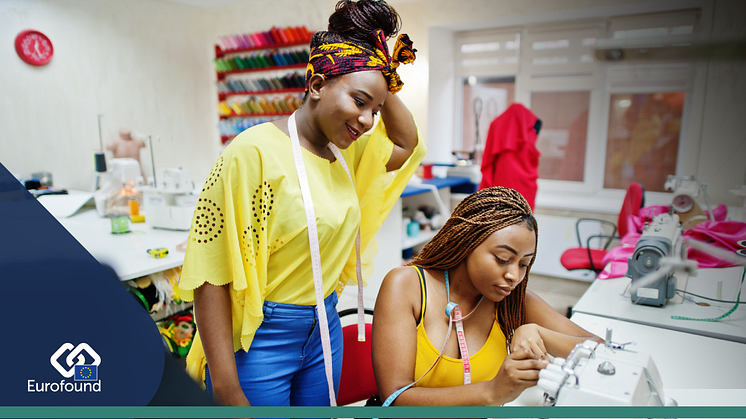
Eurofound’s Living, working and COVID-19 online survey aims to capture the far-reaching implications of the pandemic for the way people live and work across Europe. Two rounds of the online survey have been carried out to date. The third round is launched today, 15 February, and will be open until 29 March 2021.
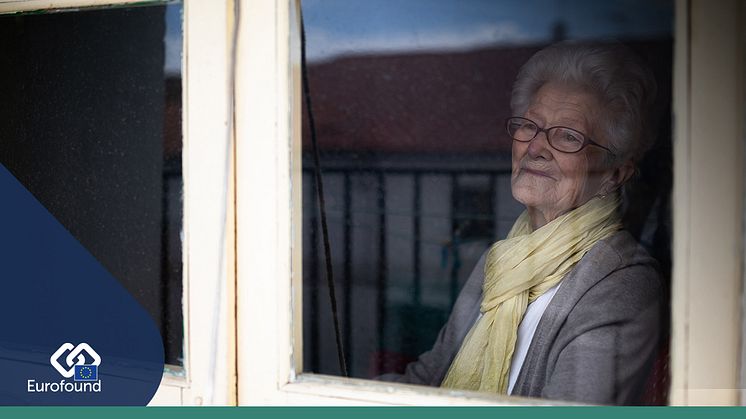
Nominal statutory minimum wages in most Member States and the UK continued to rise in 2021. With inflation being low, this has resulted in real increases for those minimum wage workers who have managed to retain their jobs and the same working hours.
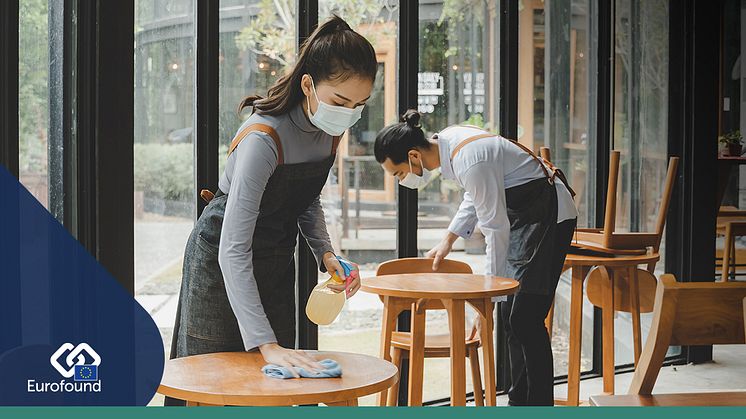
The employment fallout of COVID-19 has been a story of two types of service work. Office-based knowledge workers have largely kept their jobs and incomes while working from home; whereas client-facing service workers have borne the brunt of the lockdowns and the steep declines in demand for in-person services in restaurants, hotels, leisure and the arts.
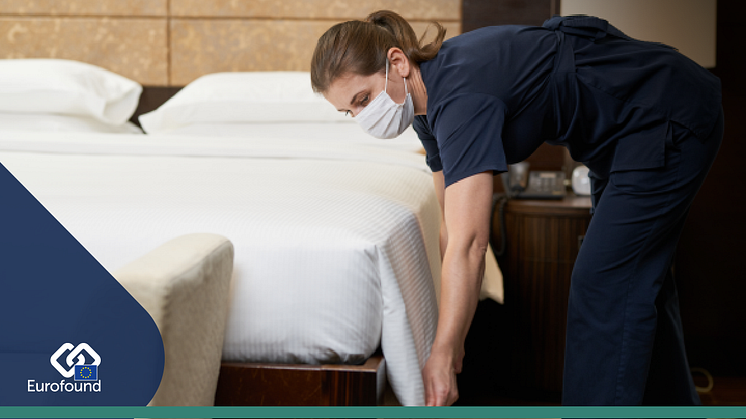
Stefan Gran has been elected Chair of Eurofound’s Management Board during the third meeting of the Board on 6 November 2020. He takes over from outgoing chair Aviana Bulgarelli, Ministry of Labour and Social Policies (Ministero del Lavoro, della Salute), Italy.

Eurofound’s new flagship report ‘Challenges and prospects in the EU: Industrial relations Developments 2015-2019’ provides an overview of developments in industrial relations and social dialogue in recent years, prior to the COVID-19 outbreak.
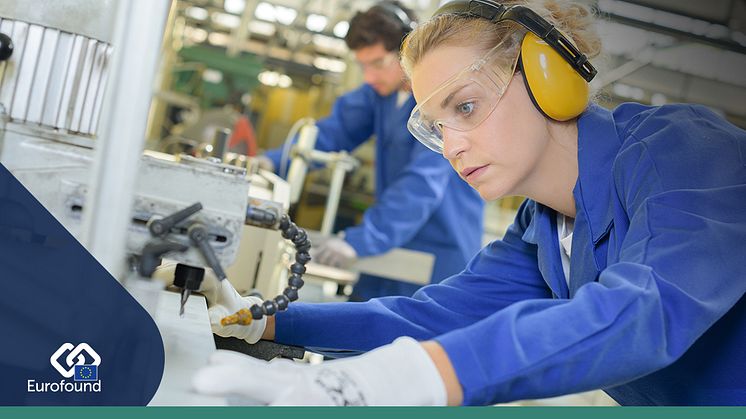
An ageing Europe and rising public expenditure on long-term care have signalled for some time that the fundamentals of care provision need to be addressed. However, the shocking death toll in care homes during the COVID-19 pandemic and the fact that many long-term care services were ill-equipped to protect their vulnerable users have lately focused the public mind on the issue.
At the end of his term as Executive Director on 30 November 2020, we engaged in a socially distant interview with Juan Menéndez-Valdés to review the last decade, his thoughts on Europe and his hopes for Eurofound.
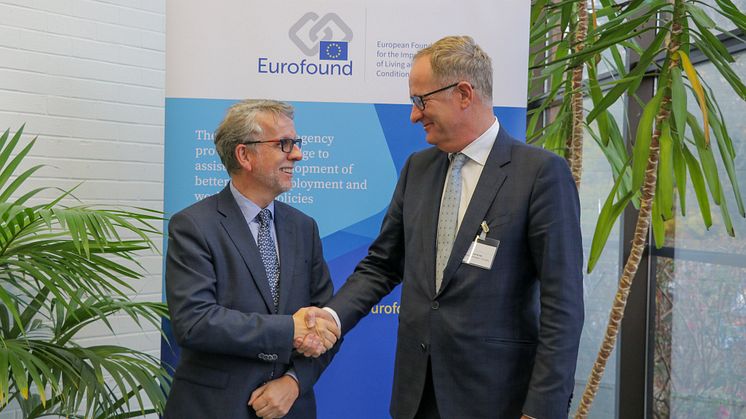
The gender pay gap in gross hourly earnings in the EU was 14.8% in 2018. To help combat discriminatory pay practices by employers, the European Commission recommended in 2014 the introduction of pay transparency measures in all Member States. But more than half still have not implemented any such measures. Where do Member States currently stand on the agenda?

According to the recently published European Company Survey 2019 by EU agencies Eurofound and Cedefop, almost all managers (96%) agree training is important for employees to do their current job and most workplaces in the EU offer at least some training, yet only a small number – 9% – offer comprehensive training and learning opportunities to most of their employees.

The #EurofoundCompanySurvey ECS 2019 demonstrates that companies can design their workplace practices to help generate outcomes that benefit both workers and employers. Eurofound is organising a live #AskTheExpert webinar session on 29 October to delve into the European Company Survey 2019 findings relating to skills.
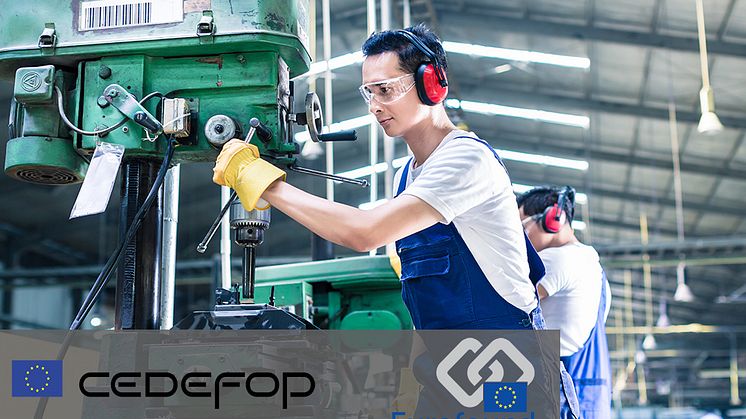
New data from Eurofound’s European Company Survey (ECS) show that two-thirds of workers (private sector, with more than 10 employees, EU27) are estimated to have their wages set via a collective wage agreement. Bargaining coverage is substantially higher in countries where there are sectoral agreements and where these are frequently extended to non-covered companies or workers.
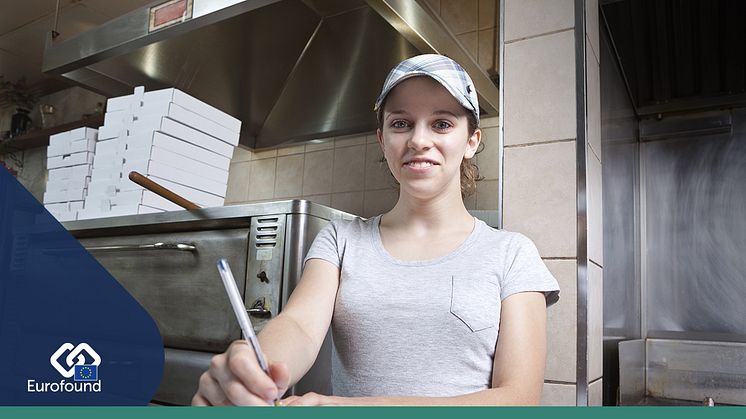
Approximately 40% of paid hours worked by employees were performed from home during the COVID-19 crisis, showing the magnitude of change that has taken place with regards to working life in just six months, and the now paramount importance of telework to Europe’s broader economy.

COVID-19 has brought widespread job loss, large-scale reduction in working hours and the decimation of entire sectors of the EU economy. While this has impacted all parts of the population, inter-generational and gender inequalities have been exacerbated, with years of progress diluted in just six months.
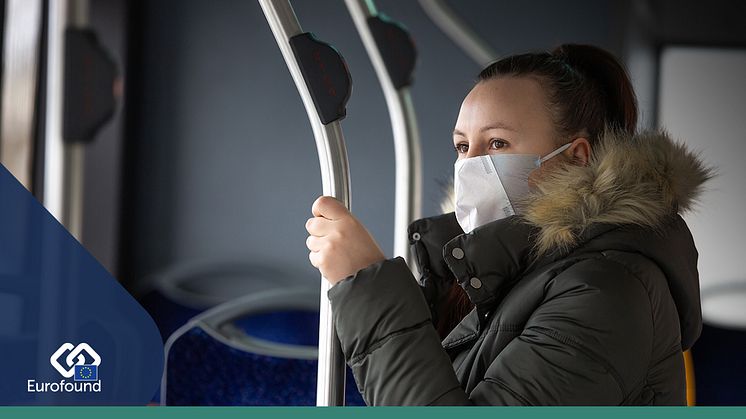
Eurofound’s analysis of the labour market in Europe shows that just over four out of ten (41%) of employees in the EU work in direct contact with clients, customers, users, patients or other service recipients. This ‘interactive service work’ is female dominated, with women accounting for 61% of workers.
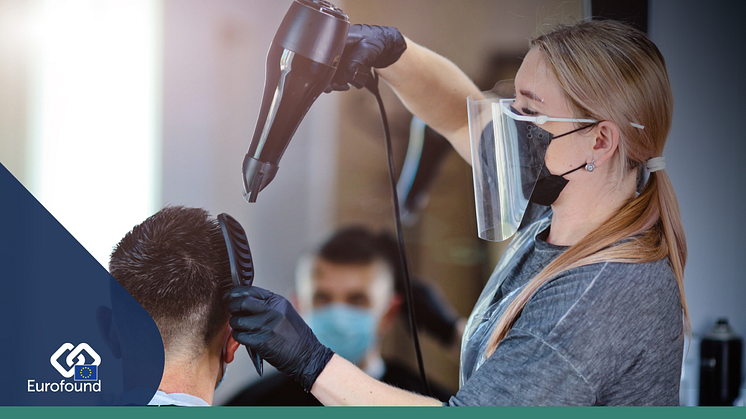
Respondents in France recorded among the lowest levels of trust in institutions, including the European Union, national government, media, and police in Eurofound’s Living, working and COVID-19 online survey.

While women appear to be more resilient than men to COVID-19 in terms of health outcomes, that is not the case when it comes to the economic and social fallout.